

Manufacturing & Industrial Automation
Streamline operations, connect legacy systems, and achieve total factory floor visibility with ThinkAutomation.
Manufacturing Automation Software
Want to utilise manufacturing automation software to streamline workflows? Here’s how ThinkAutomation can help.
Industrial automation and industrial operations automation are transforming the way businesses manage complex processes, reducing manual labour, improving accuracy, and ensuring compliance. With automation, repetitive tasks such as order and email processing, database integration, web form and portal automation, and supply chain logistics can be streamlined, freeing up valuable time for strategic decision-making. This is where manufacturing workflow automation and business process automation for manufacturing deliver measurable impact.

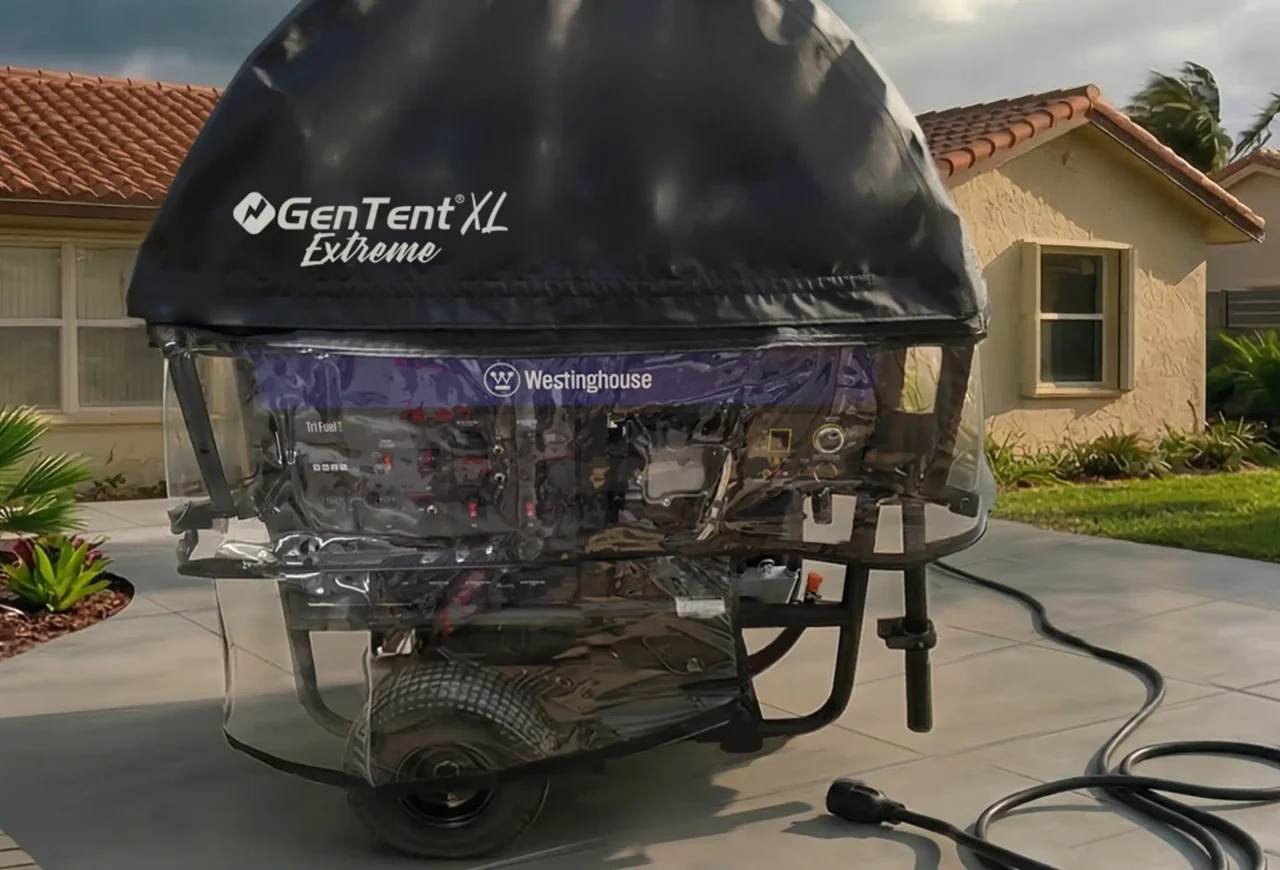
Transforming Operational Workflows for GenTent
GenTent Safety Canopies, an engineering firm specialising in patented weather-protective solutions for portable generators, required a more resilient approach to their order lifecycle management.
Using ThinkAutomation as the middleware orchestrator, GenTent modernised their stack to enable bi-directional synchronization between their front-end sales channels and ShipStation. By automating the data exchange between these endpoints, they achieved:
- Zero-latency inventory updates across all SKU sets.
- Automated order injection into the fulfillment pipeline.
- Reduction of data silos between sales and logistics.
GenTent integrated OptimaGPT to embed secure, private AI agents directly into their production workflows. This transition shifted their operational model from basic task execution to a predictive decision infrastructure.
By processing live data through these AI agents, GenTent can now execute margin-aware logic, analysing cost variables and operational overhead in real-time to optimise fulfillment paths and inventory allocation automatically.
Learn more about GenTent: https://www.thinkautomation.com/case-studies/gentent
Core Use Cases for Manufacturing Workflow Automation
Order and Email Processing
Turn incoming communication into instant action by automatically extracting data from purchase orders, RFQs, shipment notices, and other high-volume messages. Instead of relying on manual data entry, ThinkAutomation uses manufacturing workflow software to create workflows for generating work orders, adjusting inventory levels, or sending customer confirmations. The result is a faster, more accurate order to production process that removes bottlenecks and delays.
Compliance Ready Email Archiving
Industrial automation software helps you stay audit ready with secure email archiving capabilities. Our platform captures and indexes all inbound and outbound emails, storing them safely on your premises or in a secure private cloud. With long-term, searchable communication logs, manufacturers can easily meet ISO, regulatory, and customer compliance requirements without manual effort.
Intelligent Document Processing (IDP)
Manufacturers deal with a constant flow of important documents, and manufacturing workflow software streamlines the reading and extraction of data from invoices, purchase orders, quality control reports, and certificates. This level of manufacturing document automation is especially important for compliance driven industries such as aerospace, automotive, and medical manufacturing.
ERP, MES and Database Integration
Manufacturing workflow software connects every system across your organisation — even legacy platforms that typically resist integration. Synchronising data between ERP, MES, CRM, and logistics systems means you can trigger updates seamlessly across your business. Maintaining a unified data flow using manufacturing process automation software strengthens your entire operational ecosystem.
Onsite AI for Manufacturing Intelligence
With manufacturing process automation software, onsite AI brings intelligent decision-making directly to the factory floor while keeping sensitive data secure. ThinkAutomation can classify production issues, detect anomalies in quality control or sensor data, create predictive maintenance workflows, and automatically route decisions using AI driven insights. This is a powerful step toward smarter manufacturing operations automation.
Web Form & Portal Automation
Manufacturing automation software streamlines the flow of information from customers, distributors, and partners by automating submissions from web forms and portals. This includes quote requests, warranty claims, spare parts orders, or distributor onboarding. ThinkAutomation ensures every submission is captured, processed, and converted into a structured workflow — meaning faster responses, fewer errors, and a more positive customer experience.
Production & Maintenance Workflow Automation
Enhance shopfloor operations with business process automation for manufacturing, allowing you to trigger alerts when machines report faults, log downtime events automatically, notify maintenance teams instantly, and update ERP or MES systems with live status changes. Create a more responsive, reliable production environment that supports smarter uptime management.
Supply Chain & Logistics Automation
Manufacturing document automation keeps your supply chains running smoothly by automating supplier communication, processing shipment notifications, triggering inventory threshold alerts, and updating logistics partners automatically. Reduce delays, improve visibility, and ensure materials and products move efficiently from end to end.
Why Manufacturers Are Choosing ThinkAutomation
Manufacturing environments rely on precision, speed, and consistency. ThinkAutomation delivers all three by helping you automate manufacturing processes and connect legacy and modern systems without disruption.
Here’s why manufacturers are choosing ThinkAutomation:
- Unlimited workflows and data volume
- Integration with any old or new system
- Run onsite or in the cloud with complete secure data control
We adapt to your environment — not the other way around.
FAQs
Industrial automation focuses on optimising entire operational ecosystems, while manufacturing automation software targets specific production and workflow tasks.
When combined, they create a unified environment that improves accuracy, reducing manual intervention and accelerating decision making across all areas of manufacturing.
Manufacturing workflow software helps eliminate process gaps by coordinating tasks between systems, teams and machines. Delays from manual handovers are taken away, with every step in the workflow improved.
Manufacturing process automation software enables factories to operate with greater predictability and resilience. Automating routine checks, routing information and triggering actions in real time improves quality control and minimises downtime for manufacturers.
Manufacturing document automation replaces paper-heavy processes with structured digital workflows. Critical documents such as certificates, reports and order files are captured, interpreted and stored automatically, helping manufacturers to be more efficient.
Yes. Business process automation for manufacturing connects departments by synchronising data and automating cross-functional tasks. Whether it’s production, logistics, quality, or customer service, automation ensures everyone works from the same information, supporting smoother communication and more cohesive operations.